
Something feels off. A KPI is not where it should be. Costs are creeping up. A process that used to work fine is starting to show cracks. You know something needs to change, but you are not sure what, or where to start.
If you are looking for how to improve operations in your business, the challenge is rarely a lack of options. There are more tools, platforms, and methods available today than ever before. The real challenge is knowing which one actually fits your situation, and whether you are even solving the right thing in the first place.
This post is a practical starting point. It covers how to find what is really driving your operational problems, what your main options are, and how to match the right solution to the right root cause.
Start Here: Are You Solving the Problem or the Symptom?
Most operational improvement efforts fail not because the solution was wrong, but because the problem was never clearly defined. A team adds more manual checks to fix a process that is broken at a system level. A company buys new software to fix a problem that is really a training issue. The solution looks good on paper, but the problem keeps coming back.
The most important step before choosing any solution is to separate the symptom from the root cause.
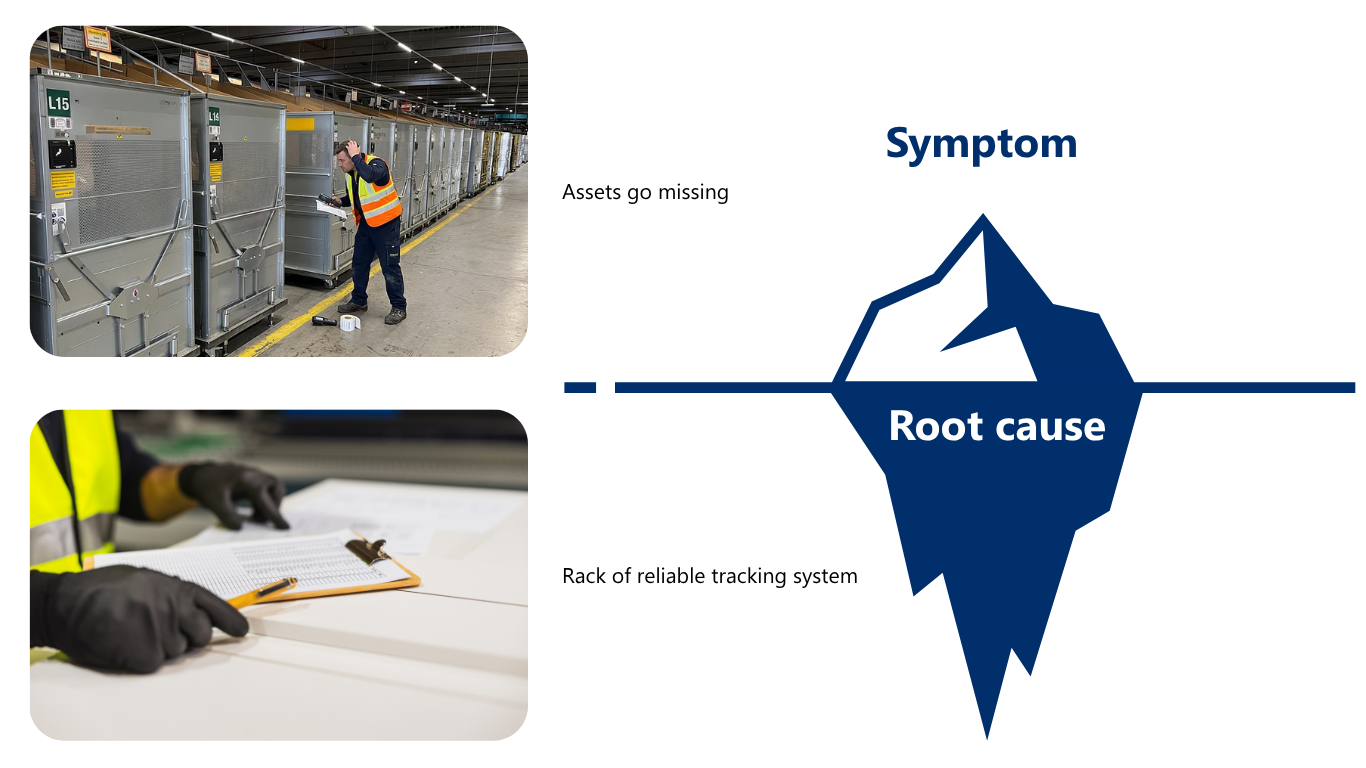
A symptom is what you notice first. Penalty charges are going up. Orders are being delayed. Assets keep going missing. Staff are spending too much time on tasks that should take minutes. These are real problems, but they are signals, not causes.
A root cause is the underlying reason the symptom exists. Assets go missing because there is no reliable system to track where they are. Orders are delayed because a handover between two teams is inconsistent. Penalty charges are rising because returnable equipment is not being returned on time, and nobody knows where it is until it is already too late.
One simple way to find the root cause is to ask "why" three to five times in a row. Why are penalty charges going up? Because equipment is being returned late. Why is it being returned late? Because we do not know where it is until a customer calls. Why do we not know where it is? Because we have no way to track it once it leaves our facility. At that point, the root cause becomes clear. It is a visibility problem, not a returns process problem.
This distinction matters. Different root causes need different solutions. Choosing the wrong solution, even a good one, will not fix the problem.
Once you have a clearer picture of your root cause, it helps to understand what your main options are. Most operational improvement solutions fall into one of five categories.
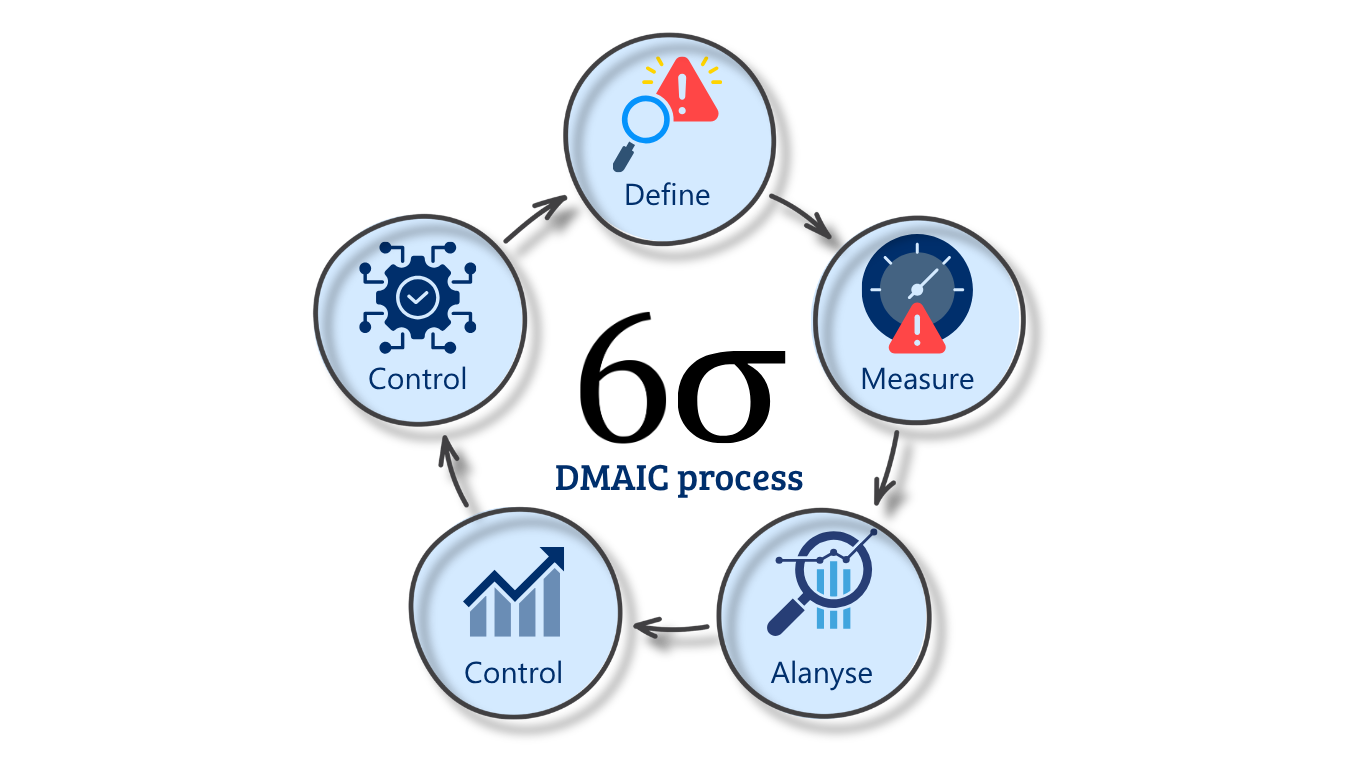
Tools like Lean and Six Sigma are built to reduce waste and fix how work gets done. They work best when the root cause is a poorly designed process, too many steps, or inconsistent execution across a team.
If your problem is that a process exists but nobody follows it the same way, or that a process has too many manual steps, this is usually the right place to start. It does not need new technology. It needs a clear picture of how work actually gets done, where value is lost, and how to remove those losses.
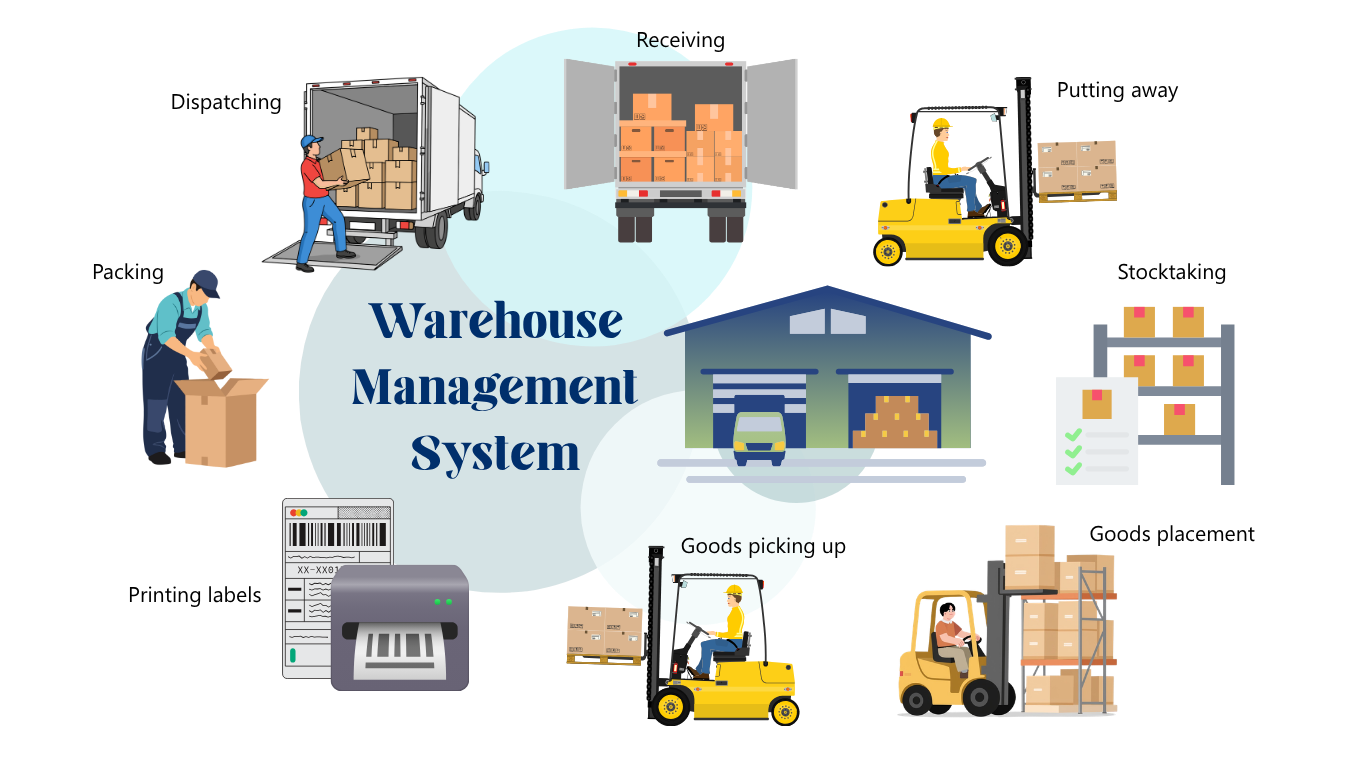
Enterprise resource planning (ERP) and warehouse management systems (WMS) bring data from across the business into one central platform. They work best when the root cause is fragmented information. Finance, operations, and logistics are all working from different data sets that do not match each other.
If your problem is that decisions are made on incomplete or outdated data, or that information from one part of the business is not reaching another part in time, a system integration solution is likely what you need.
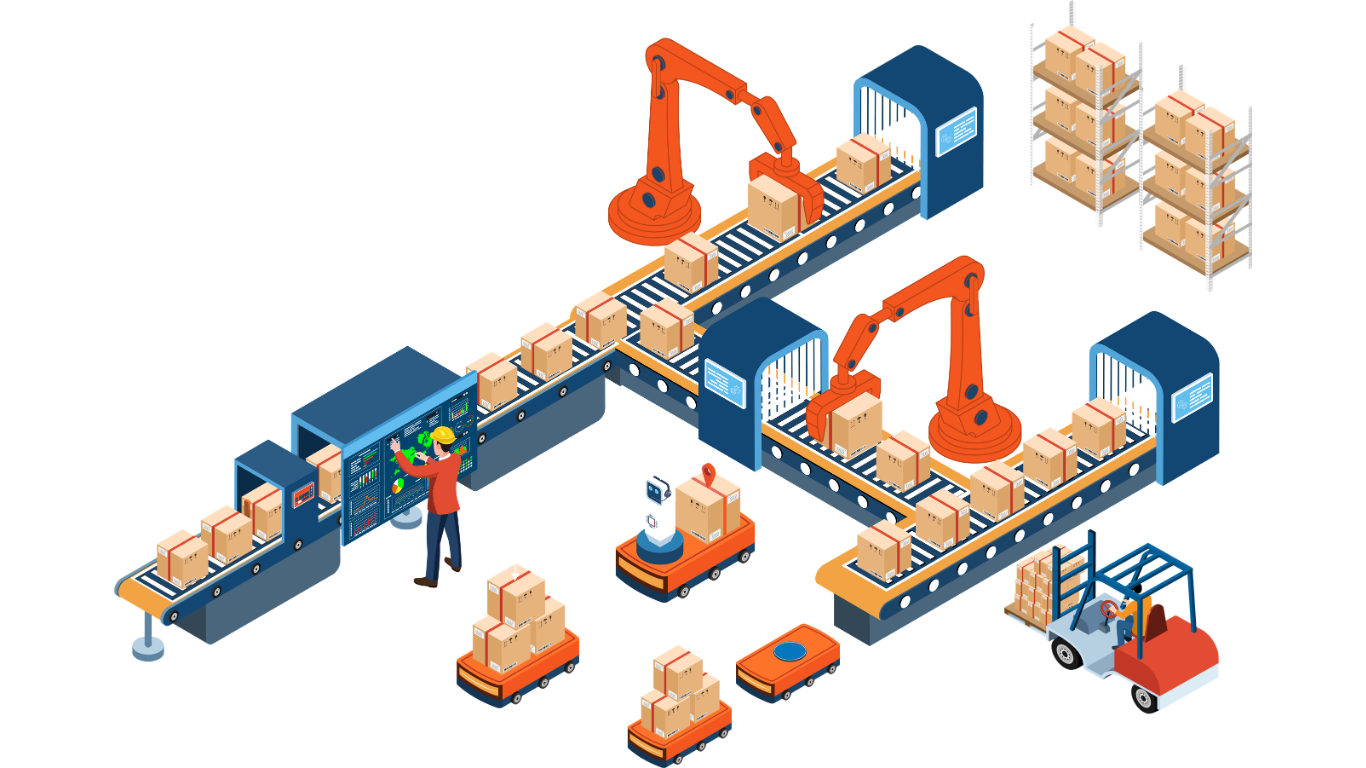
Automation covers a wide range. It includes conveyor systems and robotics in a warehouse, as well as software that handles repetitive digital tasks. It works best when the root cause is high-volume, repetitive work that is slow, error-prone, or costly when done by hand.
If your team spends a lot of time on tasks that are predictable and rule-based, automation is worth looking at. The key question is whether the task is stable enough to automate. Automating a broken process just produces the wrong result faster.
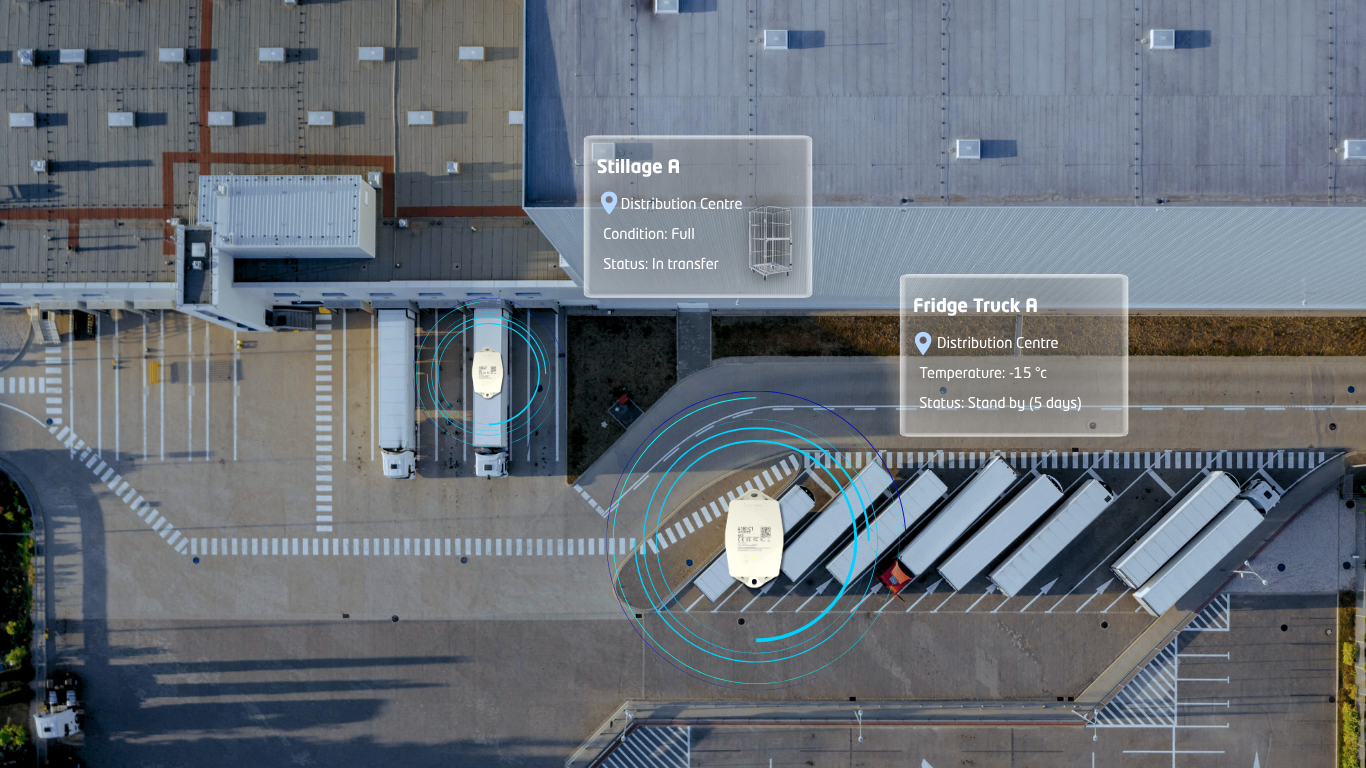
IoT, or the Internet of Things, refers to devices that connect to the internet and share data automatically. In an operations context, this means sensors and trackers on physical assets, vehicles, or equipment. These devices report location, condition, and status in near-real-time. Nobody has to log anything manually.
IoT and asset tracking work best when the root cause is a visibility gap. Assets, equipment, or vehicles are moving through your operation, and you do not know where they are, what condition they are in, or what happens to them between one point and the next.
This is more common than many operations leaders expect. Assets go missing between sites. Returnable packaging does not come back on time because nobody knows where it is. Penalty charges build up because equipment is sitting idle in an unknown location. When the root cause is a visibility gap, more process or more software will not fix it. The data needed to run the process simply does not exist yet. Visibility has to come first.

Analytics and AI tools use operational data to find patterns, forecast demand, predict failures, and flag issues before they become problems. They work best when the root cause is reactive decision-making, where the team is always responding to problems rather than anticipating them.
These tools depend entirely on data quality. A predictive maintenance system cannot predict a failure if it has no reliable data on equipment condition. A demand forecasting tool cannot produce accurate forecasts if inventory data is inconsistent. This is why visibility often needs to come before analytics. The data has to exist before it can be analysed.
How to Match the Solution to the Root Cause
With those five categories in mind, here is a simple way to think about which one fits your situation.
- If your problem is how work gets done, start with process methodology.
- If your problem is fragmented or siloed data, look at ERP or WMS integration.
- If your problem is repetitive manual work at volume, look at automation.
- If your problem is not knowing where things are or what condition they are in, look at IoT and asset tracking or condition monitoring.
- If your problem is reacting to issues after they happen, look at analytics and AI. But only once you have reliable data to feed into it.
In practice, many operations leaders find they have more than one of these problems at once. That is normal. The key is to prioritise by root cause and resist the urge to invest in a complex tool before more basic gaps are closed.
Not sure which category your problem falls into? That is exactly what our free consultation is designed to help you figure out. Reach out to the Alps Alpine Asset Tracking team and we will walk through it with you.
What Operational Visibility Actually Unlocks
It is worth pausing on visibility, because it tends to be the most underestimated lever when thinking about how to improve operations.
Most operations leaders can tell you their KPIs. Fewer can say, with confidence, exactly where every key asset is right now, what condition it is in, and what happened to it in the last 48 hours. That gap between knowing the number and knowing what is driving it is where a large share of operational problems live.
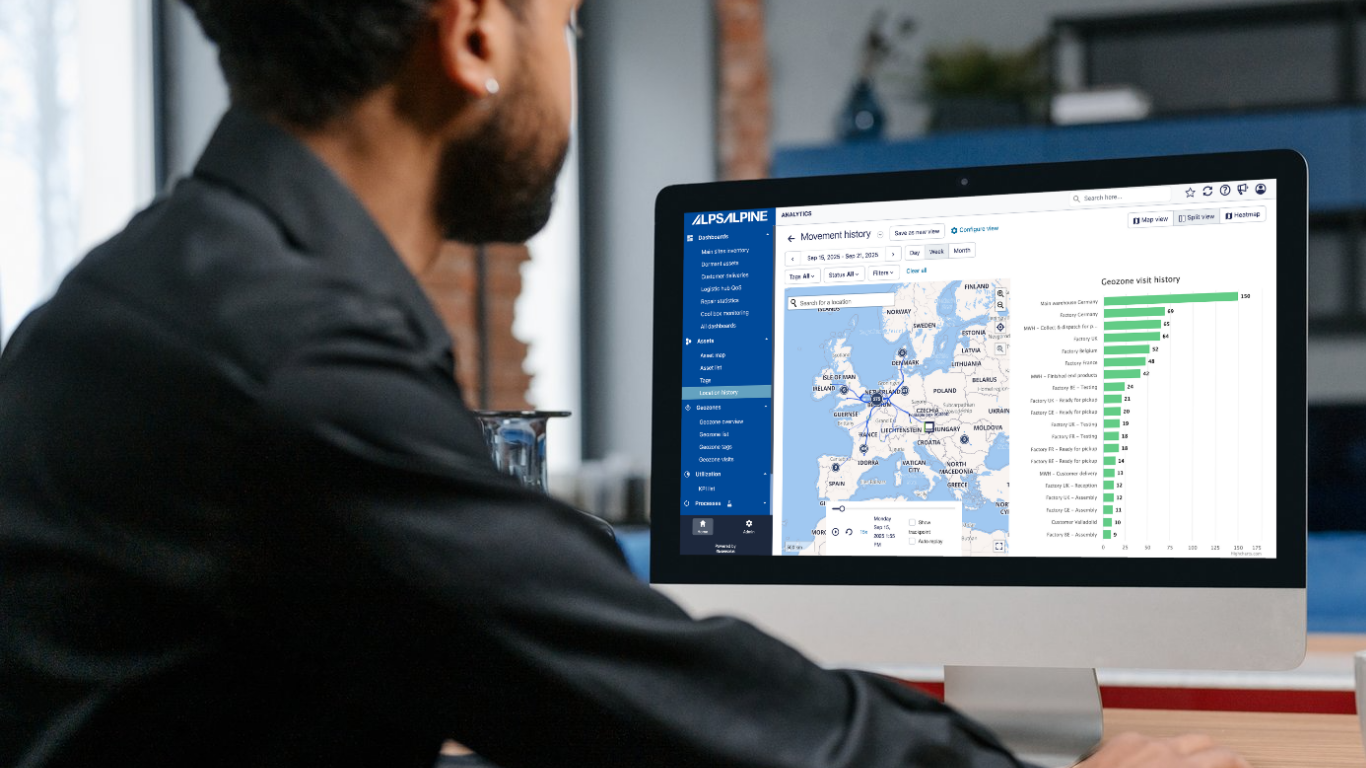
When teams get genuine visibility into what is happening across their network, things shift quickly. Assets that were assumed lost turn out to be sitting idle at a partner site. Penalty charges that seemed random start to follow a clear pattern tied to one route or handover point. Staff who spent hours each week searching for equipment get that time back. Decisions based on estimates start to be based on facts.
This is not only about asset tracking. It is about having the information your operation actually needs to improve. Visibility turns reactive problem-solving into something more proactive. For most operations where assets, vehicles, or equipment move between locations, it is the most direct path to measurable improvement.
The Honest Answer: Start With a Conversation
If you are reading this post, you probably already know that something in your operation needs attention. You may not yet know whether that is a process problem, a systems problem, a visibility problem, or something else. That is completely normal, and it is exactly the right place to start.
The worst move at this stage is to choose a solution before the problem is clear. The second worst is to spend months trying to define it alone, when someone with experience across these areas can help you find the root cause much faster.
At Alps Alpine Asset Tracking, we work with operations leaders across logistics, manufacturing, and several other industries. We do not start with a product pitch. We start by understanding what is actually going wrong and whether visibility is part of the answer. If it is, we can show you exactly how. If it is not, we will tell you that too.
If something in this post resonated, we would be glad to have that conversation. Reach out to the Alps Alpine Asset Tracking team for a free consultation. No obligation. Just a straightforward discussion about your operation and what might actually help.
Contact us!
Got questions? Book a demo and get the answers you need.
Discover how ALPS ALPINE asset trackers can support your operations, with no pressure or obligation to purchase.
Fill out the form below to connect with our team.